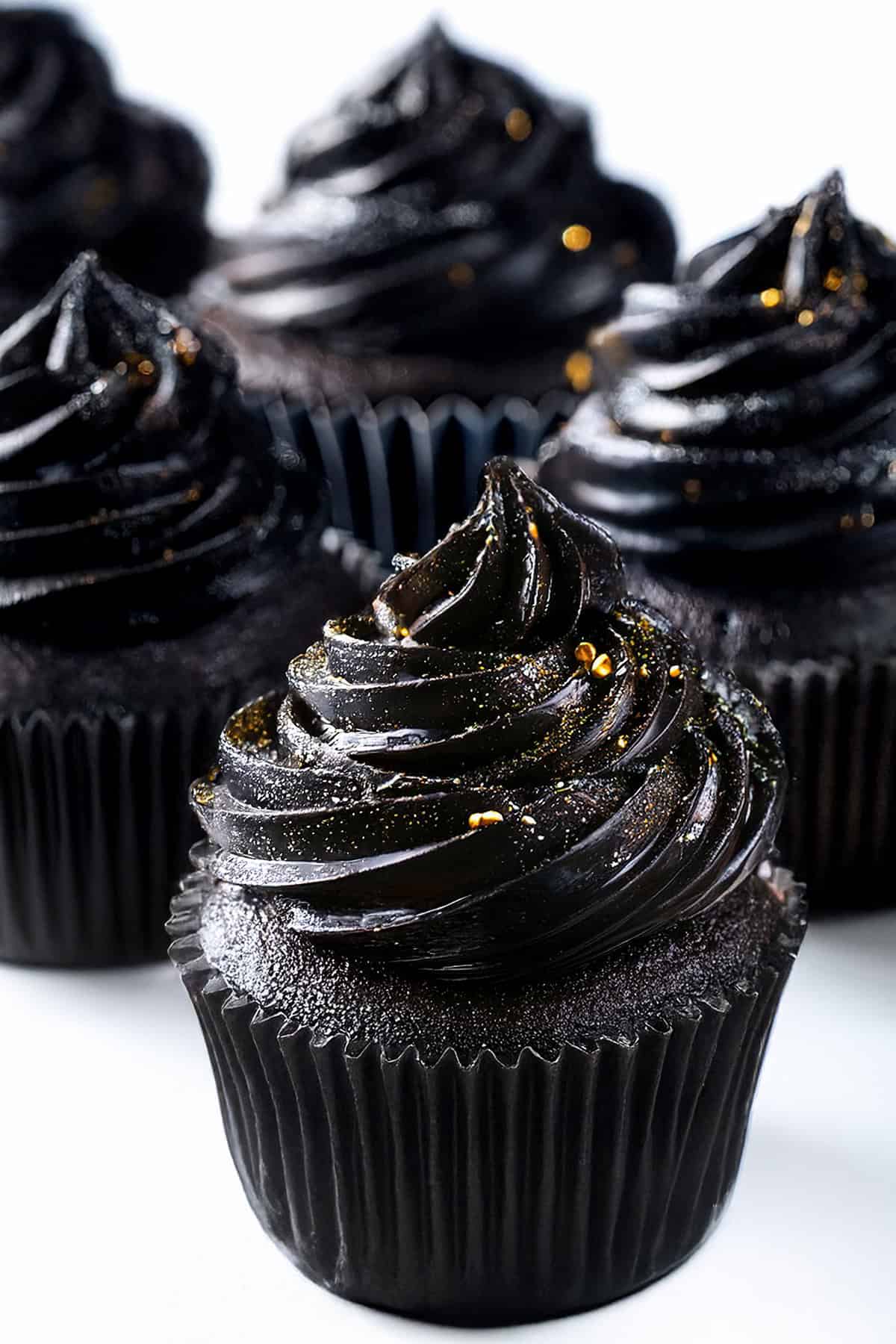
Unlock Rich Oreo Flavor with Natural Black Cocoa Buttercream
Imagine a black frosting so captivatingly dark, so intensely flavorful, it transports you straight to the heart of your favorite Oreo cookie. Now, imagine achieving that deep, luscious black without a single drop of artificial food dye, eliminating worries about stained teeth or bitter aftertastes. This isn't a baker's fantasy; it's the reality of embracing natural black cocoa buttercream. For too long, achieving truly stunning
no-dye black frosting has been a challenge, often resulting in greyish hues or an overwhelming chemical flavor. But with the right technique and the magic of black cocoa, you can unlock a world of rich, natural color and an unparalleled Oreo-like taste, revolutionizing your approach to dark desserts.
The Allure of Natural Black Frosting: A Feast for the Senses
Why bother with natural black frosting when a bottle of food coloring seems so convenient? The answer lies in elevating the entire dessert experience. Traditional methods of creating black frosting typically involve adding copious amounts of black or gel food coloring to a standard buttercream base. While this can achieve a dark color, it often comes with significant drawbacks:
*
Unpleasant Taste: High concentrations of food dye can impart a noticeable, often bitter or chemical taste that detracts from the dessert's overall flavor.
*
Stained Smiles: One of the most common complaints is the unsightly staining of teeth and mouths, an unfortunate side effect that can put guests off.
*
Compromised Texture: Adding liquid dye can sometimes affect the buttercream's consistency, making it less stable or silky.
*
Achieving True Black: Many dye-based black frostings can lean more towards a dark grey or purple tint rather than a true, deep black.
Natural black frosting, powered by black cocoa, sidesteps these issues entirely. The color comes directly from a natural ingredient that *enhances* the flavor profile, rather than detracting from it. This means your dessert will not only look stunningly dark but will also taste incredibly rich, with a depth of chocolate flavor that artificial dyes simply cannot replicate. It’s a culinary choice that speaks volumes about quality and taste, offering a luxurious experience from the first glance to the last bite.
Unlocking the Signature Oreo Taste: The Magic of Black Cocoa
The secret to this exceptional black frosting and its distinctive flavor lies squarely with black cocoa. But what exactly is black cocoa, and how does it deliver that iconic Oreo taste?
What is Black Cocoa?
Black cocoa powder is a specific type of alkalized (Dutch-processed) cocoa powder that has been processed to a much higher degree than standard cocoa. This intensive alkalization process significantly reduces its acidity, resulting in a distinctively darker color—often jet black—and a milder, less bitter chocolate flavor compared to natural cocoa. It's the very ingredient that gives Oreo cookies their characteristic dark hue and unique taste profile.
When incorporated into buttercream, black cocoa doesn't just provide color; it infuses the frosting with that deep, almost roasted chocolate flavor that is instantly recognizable as "Oreo." Imagine blending actual Oreos and butter into a smooth, creamy confection—that's the essence of the flavor profile.
The Balancing Act: Cream of Tartar
To truly capture the complexity of that Oreo-like flavor, a crucial, yet often overlooked, ingredient comes into play: cream of tartar. While optional, its inclusion elevates the frosting significantly. Black cocoa, being highly alkalized, can sometimes have a flat or slightly metallic taste if not balanced correctly. Cream of tartar, an acidic powder, acts as the perfect counterpoint. It:
*
Balances Alkalinity: It neutralizes some of the intense alkalinity of the black cocoa.
*
Enhances Sweetness: By subtly adjusting the pH, cream of tartar can make the frosting's sweetness taste brighter and more pronounced.
*
Sharpens Flavor: It helps to "pop" the chocolate notes, adding a nuanced depth and preventing the flavor from falling flat.
The result is a more vibrant, well-rounded chocolate flavor that truly mimics the beloved cookie. Furthermore, this natural black cocoa buttercream offers a wonderfully balanced sweetness, typically around 37% sugar. This is a far cry from many American buttercreams, which can contain 50% or more sugar, often resulting in an cloyingly sweet frosting that overpowers other flavors. By maintaining a moderate sweetness similar to European meringue buttercreams (like Swiss or Italian), this natural black frosting achieves a refined, sophisticated taste that allows the rich black cocoa to shine.
A Revolution in Texture: Silky Smooth Perfection Without the Grain
Beyond color and flavor, the texture of your frosting is paramount to a delightful dessert experience. Many bakers struggle with traditional American buttercreams, especially when attempting to incorporate large amounts of cocoa for a truly dark color.
The American Buttercream Problem
American buttercreams, while quick and easy, often start with a slightly grainy texture due to undissolved powdered sugar. When you add a significant quantity of cocoa powder—particularly black cocoa, which requires more to achieve deep color—this graininess is exacerbated. The result can be a gritty, heavy frosting that feels unpleasant on the palate and can be challenging to work with for intricate decorating. It often tastes overly sweet and lacks the sophisticated mouthfeel desired for elegant desserts.
Introducing the Superior Method: Emulsified Buttercream
To overcome these textural challenges, a superior buttercream method focuses on emulsification rather than simply creaming butter with powdered sugar. This approach, often simplified into a
no-cook method, is a game-changer for achieving truly luxurious black frosting. Instead of relying on raw sugar crystals, this technique involves:
*
Whipping Butter: Starting with perfectly softened butter, whipped until light and fluffy.
*
Creating a Sugar Syrup: Dissolving granulated sugar in a minimal amount of liquid (often water or milk) to create a smooth syrup. Critically, this syrup eliminates any risk of graininess from undissolved sugar.
*
Emulsification: Slowly pouring the cooled sugar syrup into the whipped butter while the mixer continues to run. This gradual addition creates a stable emulsion, binding the fat and sugar into an incredibly cohesive and smooth mixture.
The outcome is a buttercream with an unbelievably silky, uber-creamy, and melt-in-your-mouth consistency. There's no hint of graininess, no heavy greasiness, just pure, luxurious smoothness. This method delivers a stability comparable to more complex European meringue buttercreams (like Swiss or Italian Meringue Buttercream) but without the need for cooking egg whites or managing precise temperatures. It’s stable enough to hold intricate piped designs, sturdy enough to fill layered cakes, and smooth enough to create flawless frosted surfaces.
Crafting Your Own Black Cocoa Masterpiece: Tips for Success
While this natural black cocoa buttercream offers unparalleled results, it's worth noting that it can be a bit more nuanced than a simple American buttercream, particularly if you're new to emulsified frosting methods. Patience and attention to detail are your best allies.
*
Read the Recipe Thoroughly: Before you even reach for your mixer, take the time to read through all the steps of your chosen recipe. Understanding the process from start to finish will prevent surprises and ensure smoother execution.
*
Temperature is Key: Ensure your butter is at the correct room temperature (soft but still cool to the touch) and that your sugar syrup has cooled sufficiently before adding it to the butter. Temperature imbalances can lead to a curdled or soupy consistency.
*
Slow and Steady Mixing: When adding the sugar syrup to the whipped butter, do so slowly and steadily. A thin stream is ideal. This allows the butter to properly emulsify the syrup, creating that silky-smooth texture. Rushing this step is a common pitfall.
*
Don't Panic if it Curdles: If your buttercream looks curdled or soupy at some point, don't despair! Often, continued mixing (sometimes for 5-10 minutes or more) will bring it back together. If it's too warm, chilling it briefly before continuing to beat can help. If it's too cold, a warm bath for the mixing bowl can assist.
*
High-Quality Black Cocoa: Invest in a good quality black cocoa powder. The depth of color and flavor can vary between brands, and a superior product will yield superior results.
*
Adjusting Consistency: If your finished frosting is too thick, you can add a tablespoon of milk or cream at a time, mixing well. If it’s too thin, a brief chill in the refrigerator can help firm it up.
*
Decorating Confidence: Once properly made, this black frosting is a dream for decorating. Its stability means your piped flowers will hold their shape, your cake edges will be sharp, and your designs will stand out in bold, natural black.
Embracing this sophisticated approach to
no-dye black frosting will transform your baking projects. You'll move beyond mere aesthetics to create desserts that are truly gourmet, marrying stunning visual appeal with an unforgettable taste and texture.
This natural black cocoa buttercream isn't just an alternative to dye-laden frostings; it's a superior choice for any baker looking to impress. Its deep, natural black hue, combined with the unmistakable flavor of an Oreo cookie and a texture of unparalleled silkiness, creates a truly luxurious experience. By understanding the magic of black cocoa, the balancing act of cream of tartar, and the transformative power of emulsified buttercreams, you can confidently craft a frosting that delights the eyes and the palate without compromise. So, for your next cake or cupcake creation, dare to go dark—naturally—and unlock the rich, indulgent world of black cocoa buttercream.